Ditch the Algorithm: Why the Most Loyal Listeners Are Living Off the Grid
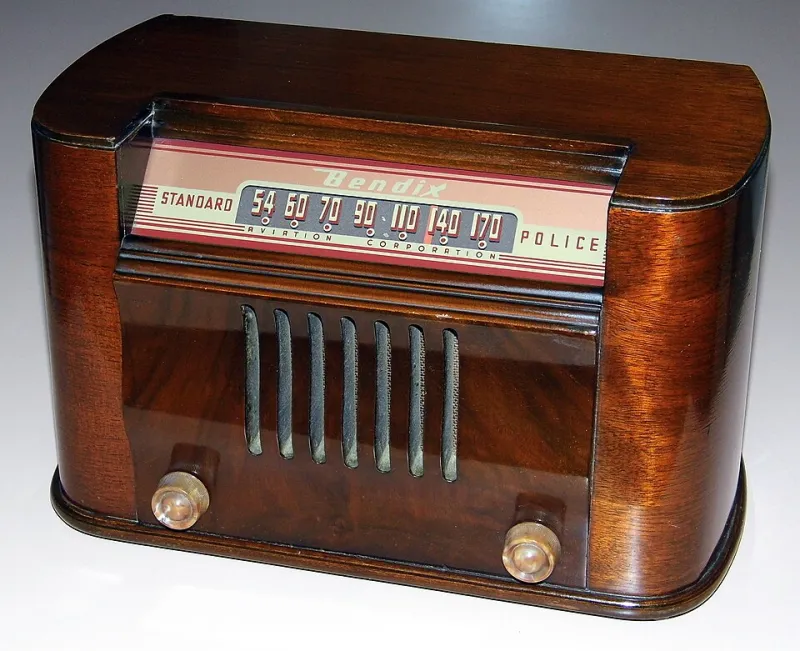
Photo: Joe Haupt from USA, CC BY-SA 2.0, via Wikimedia Commons
There's a show out of Tucson — no corporate backing, no media company logo in the RSS feed, recorded in what the host describes as a "glorified closet with moving blankets on the walls" — that has a completion rate hovering somewhere around 84%. For context, Spotify's internal benchmarks for what they'd call a "successful" episode typically celebrate anything north of 40%. The gap there isn't a rounding error. It's a philosophy.
Welcome to the frequency wars. And spoiler: the underground is winning.
The Noise Problem Nobody Wants to Admit
Spotify has roughly six million podcasts indexed on its platform right now. Apple Podcasts isn't far behind. The number sounds impressive until you realize what it actually means for anyone trying to find something worth listening to — it means the signal is buried so deep under noise that the average listener has essentially outsourced their discovery to whatever the algorithm decides to surface that morning.
And the algorithm, as anyone who's spent time really watching it knows, doesn't care what you love. It cares what you'll click on.
That distinction is exactly where the indie audio world found its opening.
Creators who've spent the last three or four years building outside the playlist ecosystem — through private RSS feeds, Substack audio newsletters, Discord-gated listening clubs, and even old-school email lists — have quietly assembled audiences that behave in ways mainstream metrics can't fully capture. They don't just listen. They show up. They evangelize. They pay.
"I had 9,000 subscribers and I was making more than friends of mine with shows at 200,000 downloads," says one independent audio producer who asked to be identified only by her first name, Renata, because she actively doesn't want more mainstream attention. "The math looks insane from the outside. But those 9,000 people are in it. They're not passive. They're participants."
Signal-to-Noise as a Business Model
The terminology that keeps coming up in conversations with indie podcasters is "signal-to-noise ratio" — and they're using it less as a technical audio term and more as a content philosophy. The idea is pretty simple: if you deliberately make your show harder to stumble into, the people who find it are already pre-filtered for genuine interest.
It's the opposite of the growth-hacking playbook. No SEO-optimized episode titles. No trending topic chasing. No guesting strategy built around cross-pollinating audiences with whoever just went viral on Twitter last week.
Instead, these creators are treating obscurity like a feature. A show about the history of specific regional American diners, distributed exclusively through a paid Substack, has a churn rate its creator describes as "basically zero." A twice-monthly audio essay series about independent cinema, shared only through a private email list you have to request access to, has turned down three separate podcast network acquisition offers.
"Every time I've thought about going wide, I've asked myself: what do I actually lose?" says Marcus, the cinema show's host. "And the answer is always the same. I lose the room. I lose the fact that everyone listening right now chose this, specifically, deliberately. That's not something a Spotify editorial placement can manufacture."
Why Completion Rates Are the New Crown
Download numbers — the metric the industry has leaned on for years — are increasingly understood to be a vanity stat. A download means someone's app pulled a file. It says almost nothing about whether a human being sat with that content, absorbed it, talked about it at dinner.
The creators operating in the underground audio economy have started using different benchmarks entirely. Completion rates, obviously. But also things like reply rates to episode-specific emails, the velocity of word-of-mouth referrals tracked through unique signup links, and what one creator called "the dinner table test" — meaning, do listeners actually bring up the show in real-life conversation?
These metrics don't show up in any advertiser deck. Which is partly the point. When your audience is small enough to be genuinely known and engaged enough to take action, you don't need to play by CPM rules. Direct listener support, community memberships, and event-based revenue models are replacing the ad-read economy for a growing slice of independent audio.
Renata puts it plainly: "I'm not monetizing attention. I'm monetizing trust. Those are completely different products."
The Streaming Giants Can Feel It
For all the confidence in the independent audio world, there's a real tension here. Spotify has spent billions — on exclusive deals, on video podcasting, on AI-generated playlists — trying to solve the discovery problem without actually fixing the noise problem. The two are connected but not the same, and the platform hasn't quite figured out that distinction yet.
Meanwhile, the RSS feed — a technology that is genuinely older than most of the people currently using it — remains stubbornly alive precisely because it's open, portable, and not owned by anyone. Independent podcasters who've built on open infrastructure are notably less anxious about platform risk than their counterparts who went exclusive.
"The frequency is mine," Renata says. "Nobody can take it down. Nobody can demonetize it. Nobody can bury it in a redesigned UI. That's the whole point."
What the Underground Figured Out
The shift happening in audio right now isn't really about podcasts versus playlists. It's about what listeners are actually hungry for in an attention economy that's been strip-mined for engagement at the expense of meaning.
The underground answer, apparently, is: make something real, for someone specific, and don't apologize for not making it for everyone. Charge fairly. Distribute carefully. Trust that the right people will find the frequency.
The metrics, quietly, are starting to prove that out.