Transmit Anyway: The DIY Broadcasters Turning Unlicensed Radio Into an Act of Defiance
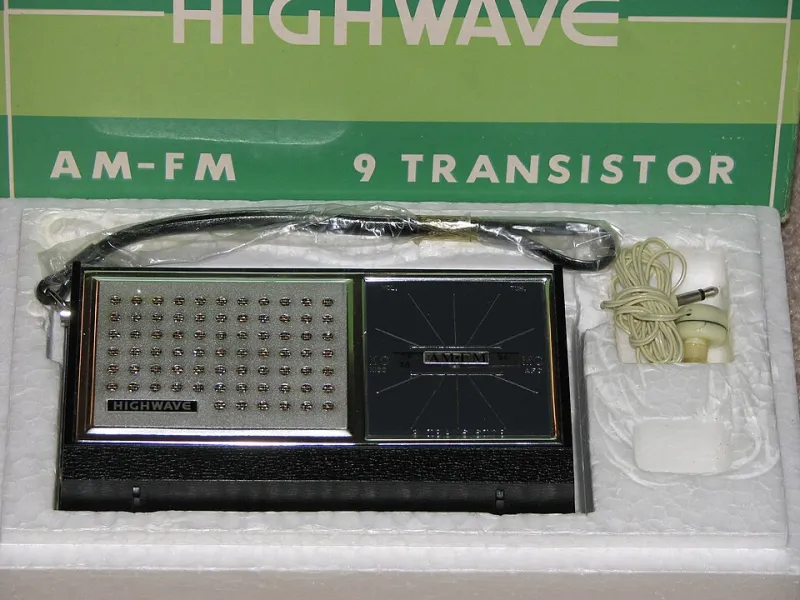
Photo: Joe Haupt from USA, CC BY-SA 2.0, via Wikimedia Commons
Somewhere in a mid-sized American city — and we're being deliberately vague about which one — a musician who goes by the handle Crestfall is wedging a secondhand transmitter between two stacked milk crates and pointing a folded antenna out a cracked window. He's about to broadcast to maybe a three-block radius. He doesn't have an FCC license. He doesn't have a sponsor. He doesn't have a streaming deal or a playlist placement or a label rep returning his emails.
What he does have is a frequency, a playlist, and a community of about forty people who already know when to tune in.
"Spotify will never know I exist," he told us over a voice call, his words occasionally clipped by what we assume was his own broadcast bleeding into the line. "That's the whole point."
The Quiet Comeback Nobody Predicted
Unlicensed FM broadcasting — what the FCC officially calls "pirate radio" — never actually disappeared. It just got quiet for a while. During the early 2010s, when streaming was shiny and new and everyone was convinced the algorithm was going to save independent music, the guerrilla broadcast scene shrank. Why mess with a transmitter when you could upload a track and theoretically reach millions?
Except the millions never came. Or they came, briefly, in the form of streams that paid fractions of a cent. Or they didn't come at all because the algorithm decided your sound didn't fit a mood category. A decade later, a lot of independent artists are sitting on catalogs that technically exist on every major platform and are functionally invisible.
So some of them started going back to the rooftop.
The current wave of micro-broadcasters is harder to track than previous generations, partly by design. These aren't the high-watt pirate stations of the 1990s blasting across entire metro areas and inevitably drawing FCC enforcement. The new operations tend to run on low-power transmitters — sometimes legally gray in terms of wattage, sometimes not — targeting hyper-local zones. A neighborhood. A few blocks. A single apartment complex where the operator knows everyone on three floors.
Signal as Statement
The people running these setups are careful about how they talk publicly, which is why most of the voices in this piece requested partial anonymity or asked us to obscure identifying details. But the ideological thread connecting them is surprisingly consistent: they view the act of broadcasting as inherently political.
"Every stream you run through a licensed platform, you're feeding a structure that was built to extract from you," said one operator in Chicago who runs a weekly two-hour show she calls a "neighborhood frequency." She plays local artists exclusively — people she knows personally, people who've played basements in her area, people who will never trend anywhere. "Radio was always supposed to be a public resource. It got privatized. We're just taking some of it back."
That framing — radio as a commons that was stolen and is now being reclaimed — comes up constantly in these conversations. It's not new rhetoric; pirate radio operators have been making versions of this argument since at least the 1960s, when offshore stations in Europe were broadcasting rock and roll to audiences the BBC wouldn't serve. But there's a specific contemporary edge to it now, sharpened by the streaming era's broken promises.
The FCC, for its part, does still pursue unlicensed broadcasters. Enforcement actions happen, fines get issued, equipment gets seized. The legal exposure is real. But the agency's resources are finite, and low-power operations that stay mobile or stay genuinely small often fly under the radar for extended periods. Several operators we spoke with described running for months or years without any official contact.
The Technical Underground
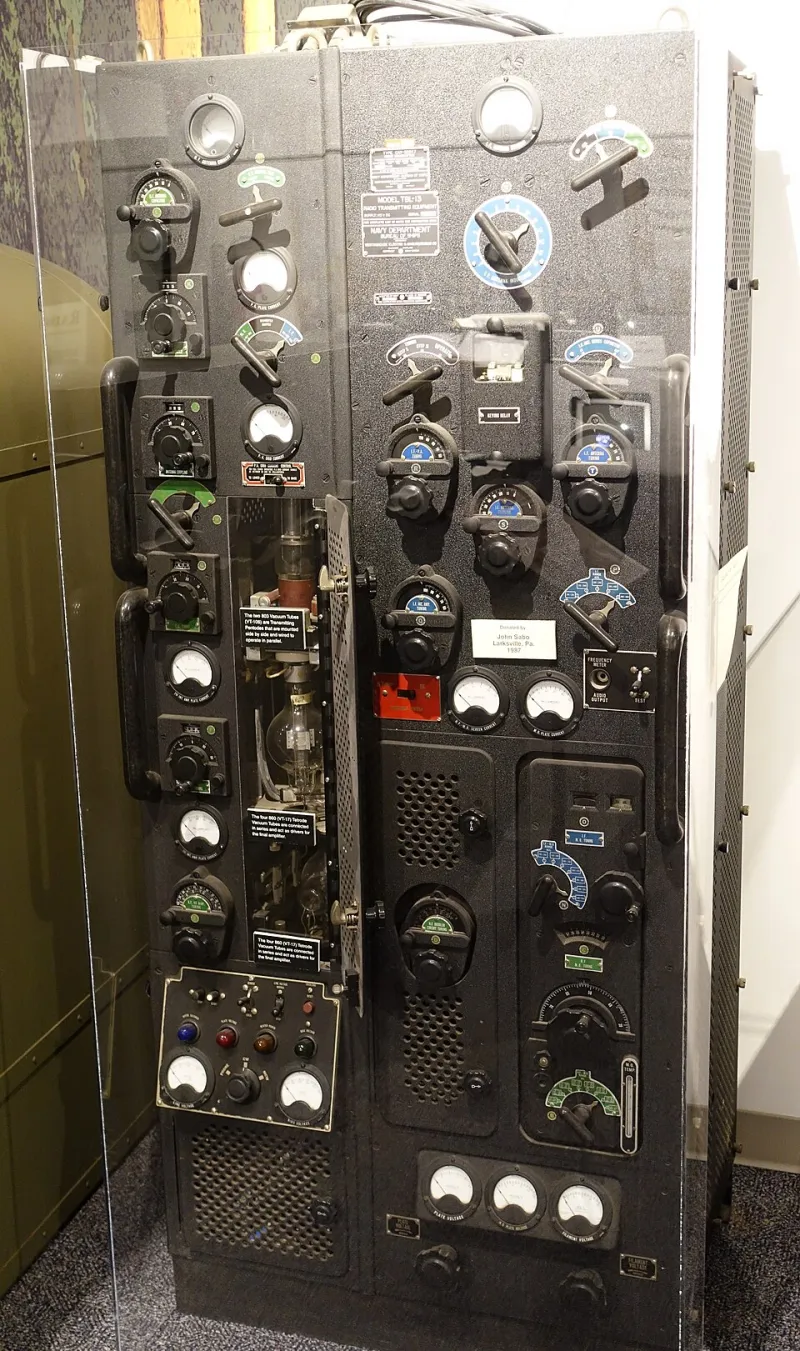
What's enabling this resurgence, practically speaking, is how accessible the hardware has become. A functional FM transmitter capable of covering a few city blocks can be sourced for under a hundred dollars. Antenna construction tutorials live on forums and video platforms. The knowledge base that used to be gated behind hobbyist radio clubs and technical manuals is now distributed across communities where people share schematics the same way they'd share a recipe.
There's a whole DIY culture wrapped around this — people who treat the technical side as its own form of creative expression. One operator in the Pacific Northwest described spending more time on his antenna setup than on his actual programming. "The signal is the art," he said, which sounds pretentious until he explains that he's deliberately shaping his broadcast range to cover specific geographic features of his neighborhood, a kind of invisible architecture only his listeners can experience.
Software-defined radio has also opened doors. Cheap SDR dongles let people experiment with the RF side of things without committing to expensive dedicated hardware. The barrier to entry for understanding how broadcast actually works — not just consuming it but building it — has dropped significantly, and that knowledge flows back into the unlicensed broadcast scene.
What They're Actually Playing
The programming across these micro-networks is as varied as you'd expect from a movement with no central authority. Some operators run it like traditional radio — sets, breaks, local news, weather. Others treat it as extended ambient performance, looping compositions that shift over hours. A few are running what amount to audio zines, mixing music with spoken word, field recordings, interviews with neighbors.
Podcasters have entered the space too, some frustrated with the discoverability problem on audio platforms, others drawn to the idea of a format that can't be easily indexed or archived. You can't search for a radio broadcast after the fact. You either caught it or you didn't. For certain creators, that ephemerality is the feature.
"There's no back catalog," said one podcaster who recently started simulcasting a local FM frequency alongside her regular feed. "People actually listen when it's live because they know it's gone after. That changes how they pay attention."
The Frequency Holds
None of this is going to topple Spotify. Nobody involved thinks it will. The scale is small by design, the audiences are local by intention, and the whole operation exists in permanent legal uncertainty. But that's sort of the point — this isn't a business model, it's a posture. It's a way of insisting that not everything about how culture gets made and shared has to flow through a system built to commodify it.
Crestfall wraps up his broadcast around midnight, most nights. He doesn't know exactly how many people are listening. He has a rough sense based on who texts him afterward, who mentions it in person, who leaves a note under his door with a song request for next week.
That's his analytics. That's his engagement metric. A piece of paper slid under a door.
"The signal gets out," he said. "That's enough."
If you know the frequency, you already know where to find it.